

As confirmed by numerous authoritative studies, growing and caring for a garden is fun, helps control anxiety and stress, promotes a serene and healthy lifestyle, and supports the development of cognitive abilities.
It is referred to as a true therapy, known as “hortotherapy” or “garden therapy”.
The quality time spent outdoors, the attention and care dedicated to gardening, and the ability to consume quality products grown naturally at zero kilometers.
This is how growing a garden and garden brings numerous benefits to the mind and body.
By choosing to cultivate an organic garden, an eco-sustainable cultivation method that rejects the use of pesticides and other chemicals, you will make this activity beneficial not only for yourself but also for the environment.
But how to grow an organic garden? How to start? How to set up the garden for a rich harvest?
And how to keep the soil and plants healthy?
Here are expert tips for growing and caring for a completely organic garden, the most important steps, the rules to follow, and the products to use.
- Learn to know the type of soil for optimal growth
- How to recognize the texture of the soil - How to protect humus and why
- Use mulch to preserve humus - How to water the garden: techniques and tips
- How to help beneficial insects in the garden do their job
- Why choose organic solutions against garden pathogens
- Observe and care for your garden regularly - Grow your garden with curiosity, passion, and consistency

1. Learn to Know the Type of Soil for Optimal Growth
To start an organic garden, it is first necessary to assess the soil available to you.
Only after this important step can you select the type of watering, necessary treatments, and useful products to create an environment suitable for the growth of your preferred crops.
How to Recognize the Texture of the Soil
The texture of the soil refers to the relationship between its solid components.
In simple terms, when talking about texture we are talking about the composition of the soil.
You may have a:
-
Sandy: light, permeable to water and air, capable of heating up and cooling down very quickly.
Poor in organic matter, a sandy soil requires careful and specific fertilization.
-
Silty: a soil rich in humus, impermeable to water and air, retains water and nutrients for plants and the population of beneficial insects and bacteria necessary for the growth of your crops.
Be careful! Due to its impermeable nature, if it comes into contact with excessive water (for example, after a storm), it creates a surface crust that makes germination difficult.
- Clayey: Impermeable to water and air, retains heat well that it stores slowly. Clayey soil is the most fertile, although it requires special effort in cultivation due to its compactness.
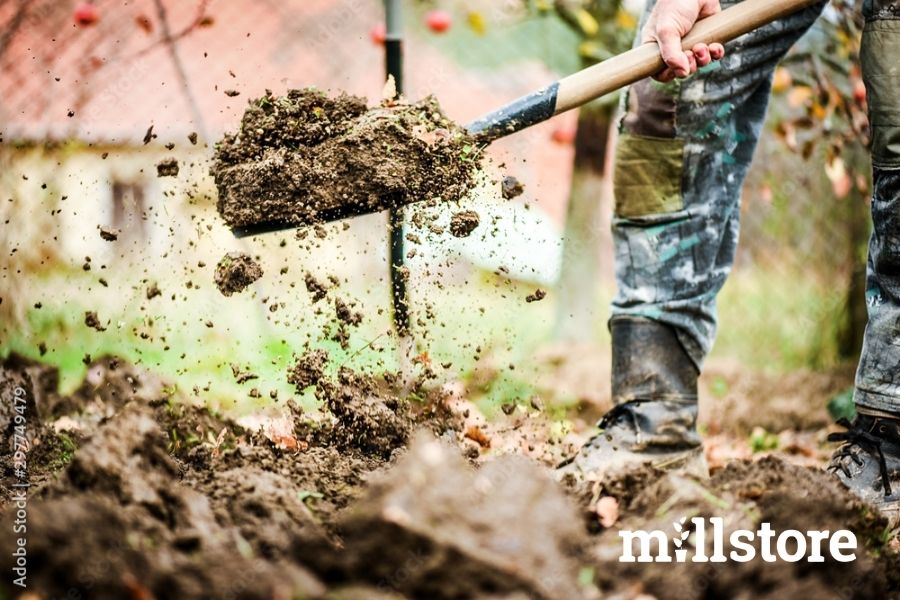
Even without laboratory analysis, you can, with a little attention, determine the texture of your soil using sight and touch.
Gather several soil samples and mix them all together in a container. Then take a portion of the mixture, moisten it with water, and knead it well with your hands. Then observe.
- Sandy soil feels grainy to the touch and crumbles easily
- Silty soil feels silky and remains moist
- Clayey soil becomes compact, can be shaped, and has a smooth and shiny appearance.
The only common rule for all types of soil? Remember to not expose it to excessive mechanical treatments.
2. How to Protect Humus and Why
The reason why you should not exceed mechanical treatments is simple.
Turning, overturning the soil, and other operations that disturb the surface of the soil by going deep, especially beyond 20 cm, damage humus.
Humus is the vital part of the soil, where the nutrients for plants are contained, processed, and matured.
Compromising the integrity of this component means making your garden less fertile.
Ensuring that humus is not damaged is especially important in the case of soil already poor in this precious material.
Use Mulch to Preserve Humus
A good habit to preserve and protect humus is to use mulch.
Mulch is nothing more than a layer of straw, bark, and/or dry leaves, which placed over the soil will help protect the underlying soil, humus, and the entire ecosystem made up of flora and fauna from weather agents and weeds.
To help the beneficial organisms in the garden, which we will talk about shortly, add nettle to the mulch, particularly appreciated by earthworms and rich in vitamins useful for the garden.

3. How to Water the Garden: Techniques and Tips
First of all, for a truly organic approach, water when possible using recycled water (rainwater or water from cooking food, for example).
As for the watering method, if you can, choose drip irrigation, regardless of the amount of water required by the specific type of soil that makes up your garden and the crops you have chosen to plant.
Drip irrigation has several advantages:
- It will help you control humidity, thanks to the stable and never excessive release of water, and because the system waters the plants always at the base and not on the leaves. Excessive humidity attracts pests and supports the development of pathogenic organisms.
- It will allow you to reduce water consumption
- It will increase the productivity of your garden by over 10%
If drip irrigation is not an option for you, remember to always water manually at the base of the plants, with room temperature water and always after sunset.
These precautions will allow you to avoid excess water accumulation, reduce vapor levels, and keep humidity levels low.
4. How to Help Beneficial Insects in the Garden Do Their Job
While you surely know the dangers that garden insects, molds, pests, and other pathogens can pose to your crops, you may not know that some organisms are beneficial for the health of your garden.
The presence of earthworms, for example, not only indicates healthy soil rich in organic and nutritious matter but also ensures proper water circulation within the soil, thanks to the tunnels dug by these little creatures, belonging to the annelid family.
The same harmful organisms are essential, in controlled volumes, as food for beneficial insects, and thus for the well-being of your organic garden.
To eliminate excess pathogenic organisms without disturbing the work of beneficial insects and earthworms, choose natural substances and organic preparations and avoid any chemical products.
5. Why Choose Organic Solutions Against Garden Pathogens
Organic solutions, gentle and in line with the natural cycles of the earth, will prevent entire colonies of organisms and microorganisms from being wiped out, and will allow you to tackle the problem of harmful garden insects while maintaining the balance of the ecosystem.
The various products that are part of this category serve as:
-
Pesticide
- Deterrent against external animal and fungal attacks
- Physical barrier against the establishment, permanence, and proliferation of organisms. They help strengthen and invigorate the immune system of the plants.
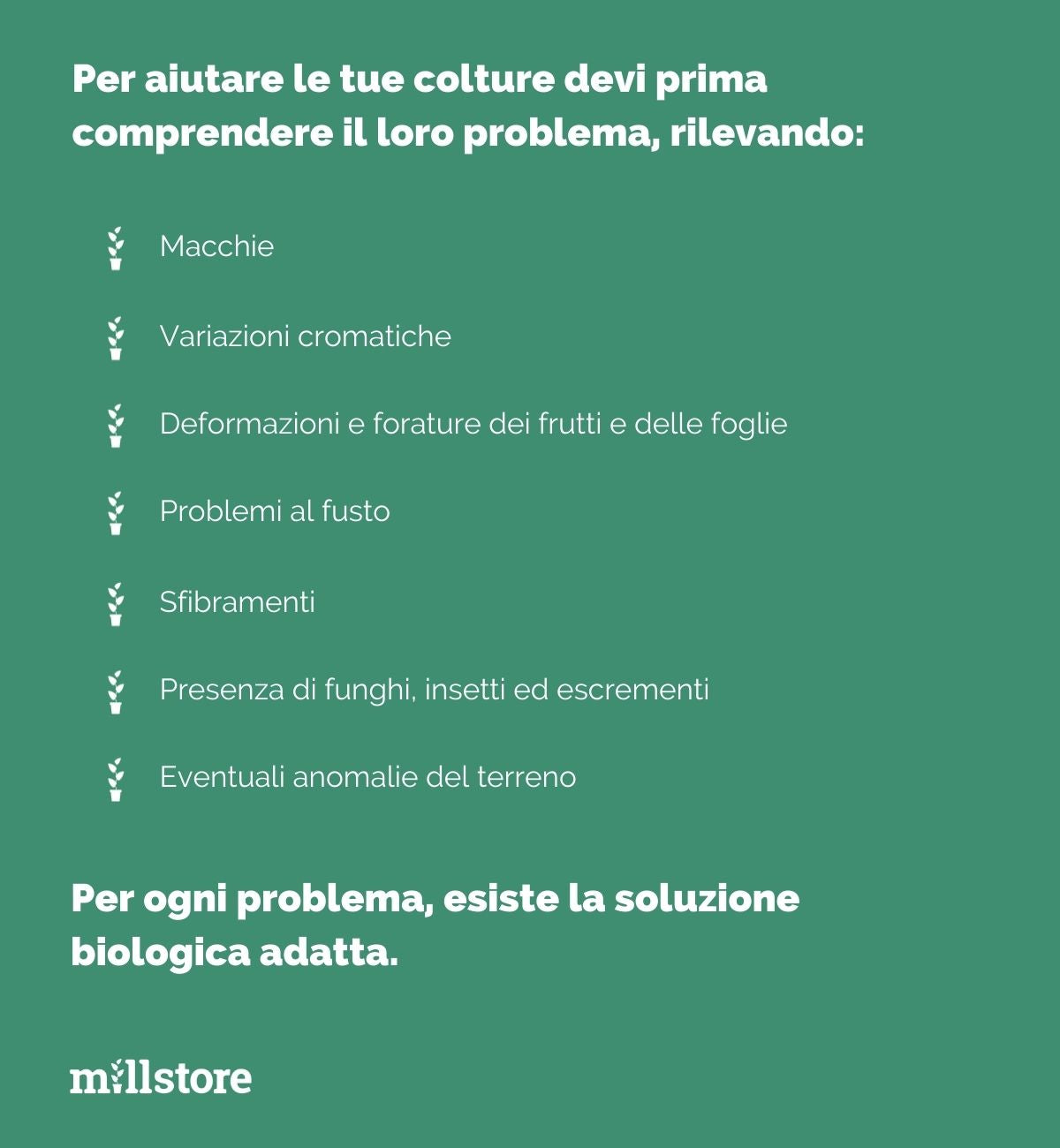
Nettle extract, vinegar, soy lecithin, neem oil, flaxseed oil, and soy oil, rock powder, sodium or potassium bicarbonate, propolis, are just some of the natural and organic substances that will allow you to cultivate a healthy and productive garden.
Not sure if you can accurately recognize the signs of plants and soil, or need help in choosing the products to use?
You can consult the Millstore experts, who will assist you in identifying the indicators to pay attention to, and who will support you in choosing the most effective products to solve the problems of your organic garden.
Observe and Care for Your Garden Regularly
To take care of your plants and not lose sight of the pitfalls that may arise concerning the soil or the plants themselves:
-
Plan regular checks
- Respect the presence of animals and insects with a positive action for the garden: birds, earthworms, butterflies
- Monitor the state of your crops and always intervene with tonifying products after strong external trauma, such as violent storms, wind, hail, high temperatures
- If specific therapies and/or pest control are necessary for your plants, intervene in the evening, when temperatures drop, and preferably on days with little wind.
This way, you will allow natural products to perform their function without deteriorating, and you will avoid disturbing the work of beneficial insects and pollinators.
-
Intervene with specific products every 10-15 days until the end of the therapy.
Consistency will help you achieve optimal results.
Consistency is the secret to cultivating a healthy and productive garden.
Grow Your Garden with Curiosity, Passion, and Consistency
Growing an organic garden means constant commitment, passion, regularity in activities, care and attention to detail, a lot of curiosity, and a desire to learn something new every day.
With the right products and by following a few but strict good habits, you can achieve a healthy and lush garden with abundant, high-quality yields: every effort will be rewarded!
Trust an expert, for example, the team of specialists Millstore, to discover the secrets of the trade, ask for useful advice, and for professional support in recognizing any potential problems related to the health of your crops and addressing them in the best way.
